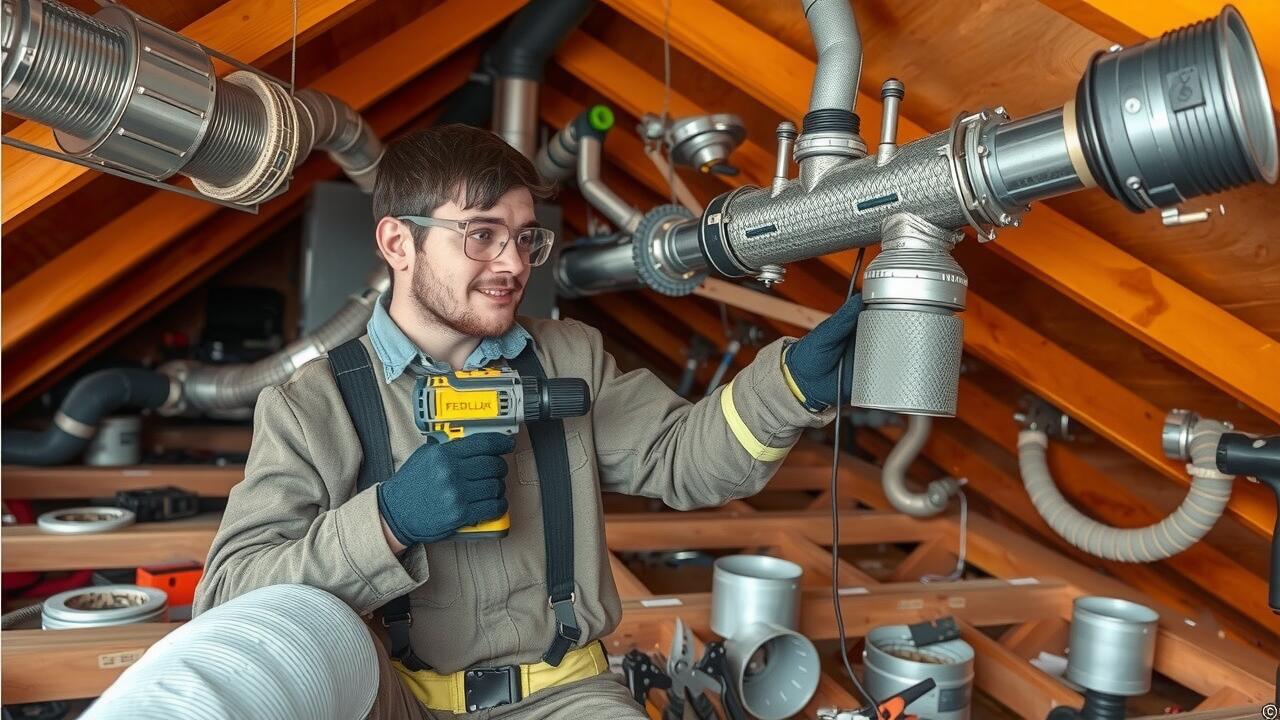
Accumulation of Dust and Debris
Dust and debris accumulation in ductwork can significantly impact a home's air quality and energy efficiency. Lint, pet dander, and other particulates often find their way into the system, obstructing airflow and potentially promoting the growth of mold and mildew. Regular maintenance and cleaning are essential for preventing these issues. Many homeowners overlook this aspect of ductwork care, leading to larger problems down the line.
Addressing dust build-up involves both cleaning and professional assistance. A thorough vacuuming or brushing of accessible ducts can help reduce this accumulation. However, for a more comprehensive solution, homeowners should consider reaching out to experts in Ductwork Installation and Repair. Professionals can assess the entire system, ensuring that all areas are clean and functioning efficiently, ultimately improving indoor air quality and comfort.
Importance of Regular Cleaning
Regular cleaning of ductwork is essential for maintaining a healthy indoor environment. Over time, dust, pollen, mold, and other allergens accumulate in the ducts, leading to potential health concerns for occupants. This buildup can hinder the efficiency of your heating and cooling systems, increasing energy costs and reducing overall performance. Ensuring your ductwork is clean can improve air quality and enhance the comfort of your home.
In addition to improving air quality, regular cleaning can extend the lifespan of your HVAC system. The benefits of professional Ductwork Installation and Repair services include thorough cleaning, which helps prevent clogs and reduces strain on the system. Homeowners often overlook the significance of this maintenance, but neglecting duct cleaning can lead to costly repairs and replacements down the line. Keeping ducts clean not only promotes better airflow but also contributes to the long-term efficiency of heating and cooling systems.
Insufficient Ventilation
Insufficient ventilation in a home can lead to several issues, including poor indoor air quality and discomfort due to uneven temperatures. When ductwork is not properly sized or installed, it may fail to provide the necessary airflow throughout living spaces. This can result in rooms that feel stuffy or too hot, while others remain cold. Addressing these problems often requires professional assessment to determine whether adjustments to the existing system or a complete overhaul is needed.
For homeowners experiencing ventilation issues, investing in Ductwork Installation and Repair can significantly improve airflow and comfort levels. Professionals can analyze the current system, identify bottlenecks, and implement solutions that enhance ventilation. Properly functioning ductwork not only promotes a more balanced climate but can also contribute to greater energy efficiency, reducing heating and cooling costs over time.
Impact on Indoor Air Quality
Indoor air quality can be significantly affected by insufficient ventilation in duct systems. When ducts are unable to efficiently circulate air, pollutants and allergens accumulate. This buildup can lead to respiratory issues and exacerbate existing health problems. Proper airflow is crucial for maintaining a healthy living environment, as it helps to dilute and disperse contaminants.
Ductwork installation and repair play an essential role in ensuring optimal ventilation. A poorly designed duct system can limit airflow, resulting in stagnant air that lacks fresh oxygen. Routine maintenance and timely repairs can enhance system efficiency, promoting better air exchange and supporting overall indoor air quality. Investing in expert services for ductwork is vital to prevent health-related issues associated with poor ventilation.
Noisy Ductwork Problems
Noisy ductwork can be a significant annoyance in any home or office setting. It often arises from various issues, such as loose connections, airflow obstructions, or even the system's design itself. Identifying the source of the noise is crucial. Common types of sounds include rattling, whistling, or banging, each suggesting different underlying problems that can affect the efficiency and comfort level of your HVAC system.
Addressing these noises may require professional intervention. Homeowners often notice that DIY approaches fall short, leading to temporary fixes rather than permanent solutions. Consulting with experts in ductwork installation and repair can help diagnose the issue accurately. Professionals can identify whether adjustments are needed in the duct layout or if maintenance is required to mitigate the noise.
Identifying Sources of Duct Noise
Duct noise can often stem from various sources within your HVAC system, making it important to be vigilant in identifying the problem areas. Common issues include loose ducts that vibrate when air flows through them, creating rattling or banging sounds. Additionally, changes in air pressure can lead to whistling sounds when air is forced through narrow or improperly sized ducts. Understanding the specifics of your system can help pinpoint the origin of these unwelcome noises.
Inconsistent airflow can also contribute to duct noise, particularly when there are obstructions within the ductwork or if the ducts are poorly insulated. For those experiencing ongoing issues, consulting with professionals specializing in Ductwork Installation and Repair can provide valuable insights. They can examine your system for structural deficiencies and recommend solutions to minimize or eliminate noise, ensuring a more peaceful indoor environment.
FAQS
What are some common signs that my ductwork needs cleaning?
Common signs include visible dust accumulation around vents, reduced airflow, musty odors, and increased allergy symptoms among occupants.
How often should I clean my ductwork?
It's generally recommended to clean your ductwork every 3 to 5 years, but this can vary based on factors like pet ownership, smoking, and local air quality.
What are the consequences of insufficient ventilation in ductwork?
Insufficient ventilation can lead to poor indoor air quality, increased humidity, mold growth, and higher energy bills due to the HVAC system working harder to maintain temperature.
How can I improve ventilation in my home?
You can improve ventilation by ensuring ducts are clean and unobstructed, adding vents or returns, using exhaust fans in kitchens and bathrooms, and considering air exchange systems.
What causes noisy ductwork and how can I fix it?
Noisy ductwork can be caused by air rushing through ducts, loose fittings, or issues with HVAC equipment. Solutions include securing loose parts, insulating ducts, or consulting a professional for more complex issues.