Finding a Qualified Technician
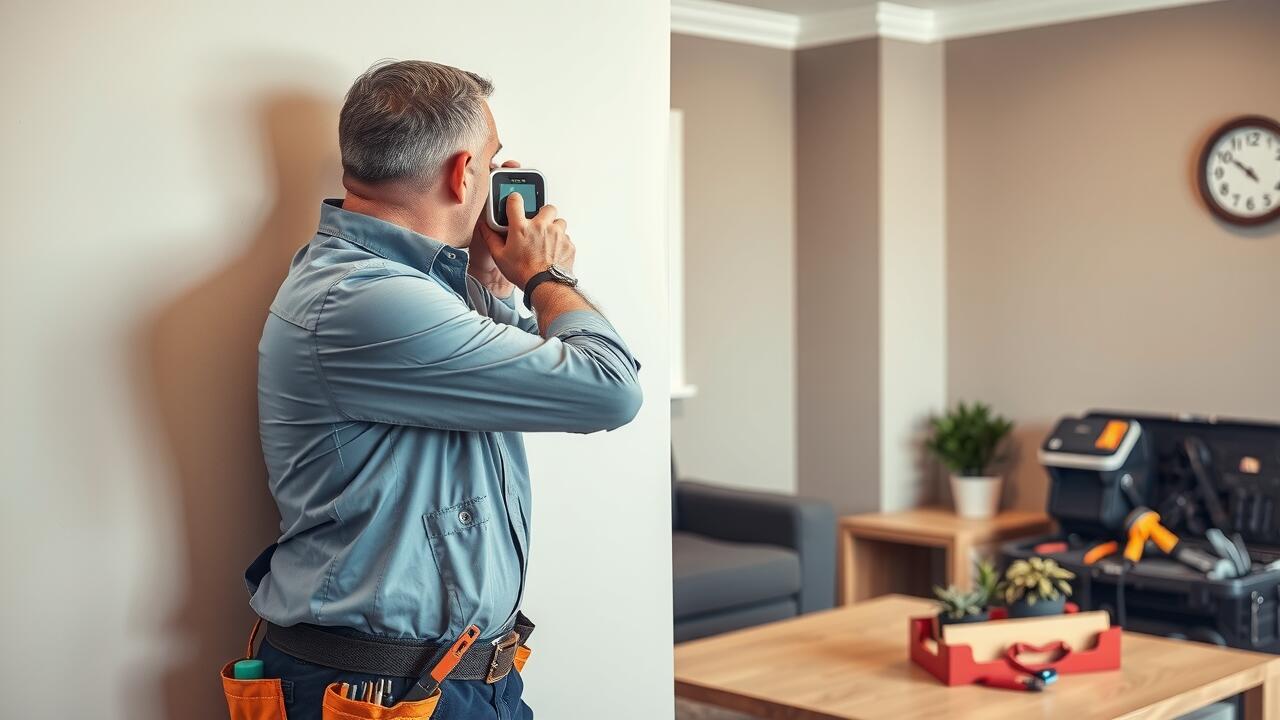
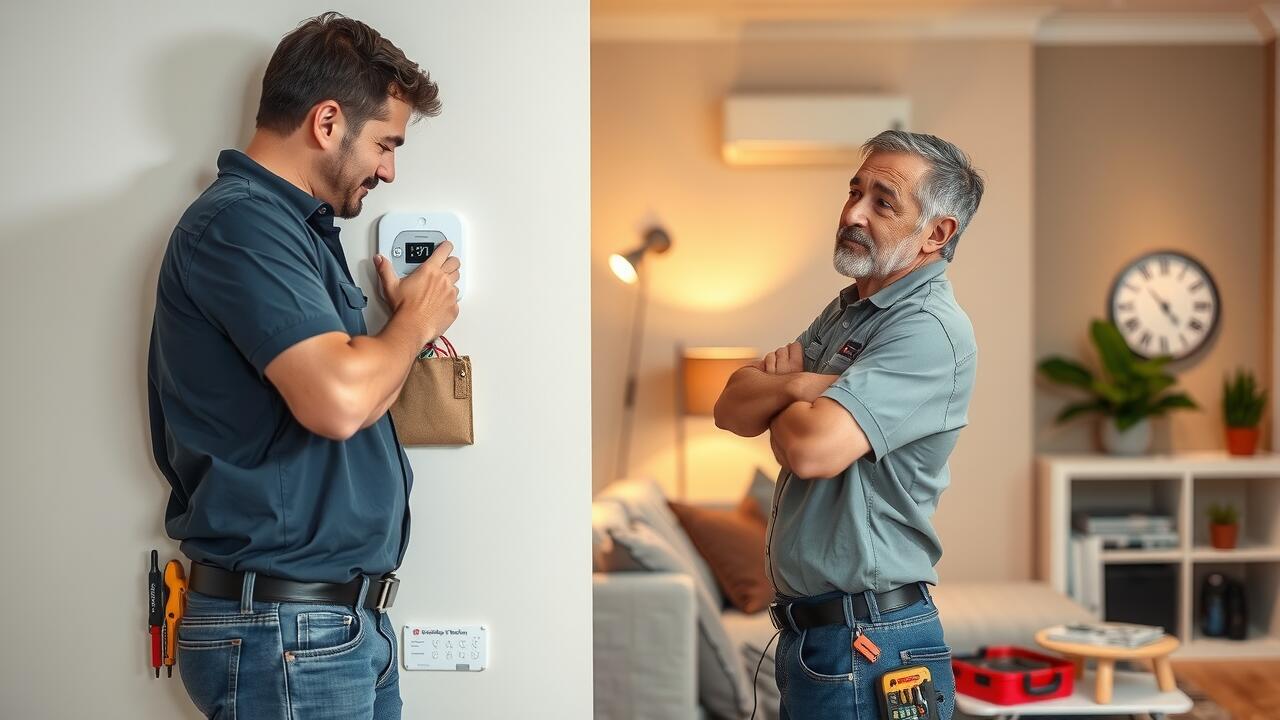
When looking for a qualified technician for thermostat installation and repair, it is crucial to seek professionals with relevant experience. An experienced technician will have a thorough understanding of various heating and cooling systems. This knowledge can prevent potential issues during installation and ensure that your thermostat functions effectively post-installation.
Additionally, it's important to verify the technician's credentials. Look for licenses and certifications that demonstrate their expertise in HVAC systems. Customer reviews can provide insight into their reliability and quality of work. Choosing a technician with positive feedback can lead to a smoother installation process and a more satisfactory outcome.
Checking for Credentials and Reviews
When hiring a technician for thermostat installation and repair, checking their credentials is essential. Look for certifications from recognized organizations in the HVAC industry. These endorsements demonstrate that the technician has undergone specific training and adheres to industry standards. It’s also wise to confirm that they have the necessary licenses required by your state or local jurisdiction.
Reading online reviews can provide valuable insights into a technician’s reliability and professionalism. Websites like Yelp, Google Reviews, and Angie's List often contain firsthand accounts from previous customers. Pay attention to the overall rating and common feedback regarding their service quality, timeliness, and how they handle issues that may arise during installation. This information can help you make a more informed decision and feel confident in your choice for thermostat installation and repair.
Common Installation Problems
Common installation problems can arise during the process of thermostat installation and repair. One frequent issue is incorrect wiring, which can lead to malfunctioning units or even damage to the HVAC system. Technicians may accidentally connect wires inappropriately, resulting in erratic temperature readings or failure to power on entirely.
Another issue is improper placement of the thermostat itself. If a thermostat is installed too close to heat sources such as vents or windows, it may not accurately reflect the room's temperature. This misplacement can cause heating or cooling systems to operate inefficiently, leading to higher energy bills and an uncomfortable living environment for homeowners.
Troubleshooting Common Issues
Homeowners often encounter common issues after a thermostat installation, such as inaccurate temperature readings or unresponsive units. These problems may stem from a variety of factors, including improper wiring or incorrect calibration. It’s crucial to check the manufacturer's specifications as well as the installation manual to ensure everything is set up correctly. Consulting a professional for any persistent issues can also save time and prevent further complications.
When troubleshooting, inspecting the thermostat’s power source is a good initial step. If the device runs on batteries, ensure they are fresh or that the unit is properly connected to a power supply. For issues related to compatibility with HVAC systems, verifying system settings and configurations could reveal hidden problems. Seeking assistance from a technician skilled in Thermostat Installation and Repair is advisable for more complex issues.
Warranty and Maintenance Considerations
Having a warranty for thermostat installation is crucial for ensuring peace of mind. A good warranty typically covers both parts and labor for a specified time frame, protecting homeowners from unexpected repair costs. Choosing a technician or company that offers a warranty can make a significant difference. It reinforces their commitment to quality workmanship and customer satisfaction.
Regular maintenance is essential to keep the thermostat functioning efficiently over time. Scheduled check-ups can help identify potential issues before they become costly problems. Many heating and cooling professionals offer maintenance plans that can provide additional savings and ensure the system operates smoothly. Investing in both thermostat installation and repair services, along with regular maintenance, can ultimately lead to improved energy efficiency and longer equipment life.
Importance of Installation Warranty
An installation warranty is a crucial aspect of Thermostat Installation and Repair. It provides homeowners with peace of mind, ensuring that if any issues arise shortly after installation, they will be covered at no additional cost. This warranty typically protects against both faulty workmanship and defects in equipment, making it an important safeguard for consumers. Having a warranty signifies that the technician or company stands behind their work and is committed to customer satisfaction.
In addition to covering potential defects, an installation warranty can also help identify problems early on. If a thermostat malfunctions shortly after installation, having that warranty allows for prompt repairs without unexpected expenses. This not only emphasizes the quality of the installation but also helps maintain the efficiency and accuracy of the heating or cooling system over the long term. Ultimately, investing in a comprehensive installation warranty can save homeowners time and money while ensuring their thermostat functions as intended.
FAQS
What is the average cost to install a thermostat?
The average cost to install a thermostat typically ranges from $100 to $300, including both the device and labor. However, prices can vary based on the type of thermostat and the complexity of the installation.
Are there any additional fees I should expect beyond the installation cost?
Yes, additional fees may include service charges, disposal fees for old equipment, or charges for any necessary electrical work. It's important to ask the technician for a detailed estimate that outlines all potential costs.
How long does it take to install a thermostat?
The installation process usually takes about 1 to 2 hours, depending on the type of thermostat and the existing wiring setup. Complex systems may take longer.
Can I install a thermostat myself to save money?
While installing a thermostat yourself can save on labor costs, it’s crucial to have a good understanding of electrical systems and the specific thermostat model. Improper installation can lead to issues, so it's often advisable to hire a qualified technician.
What should I look for in a qualified technician for thermostat installation?
Look for technicians with proper credentials, positive customer reviews, and experience with the specific type of thermostat you are installing. Additionally, checking for licenses and insurance can provide peace of mind regarding their qualifications.