Seasonal Considerations
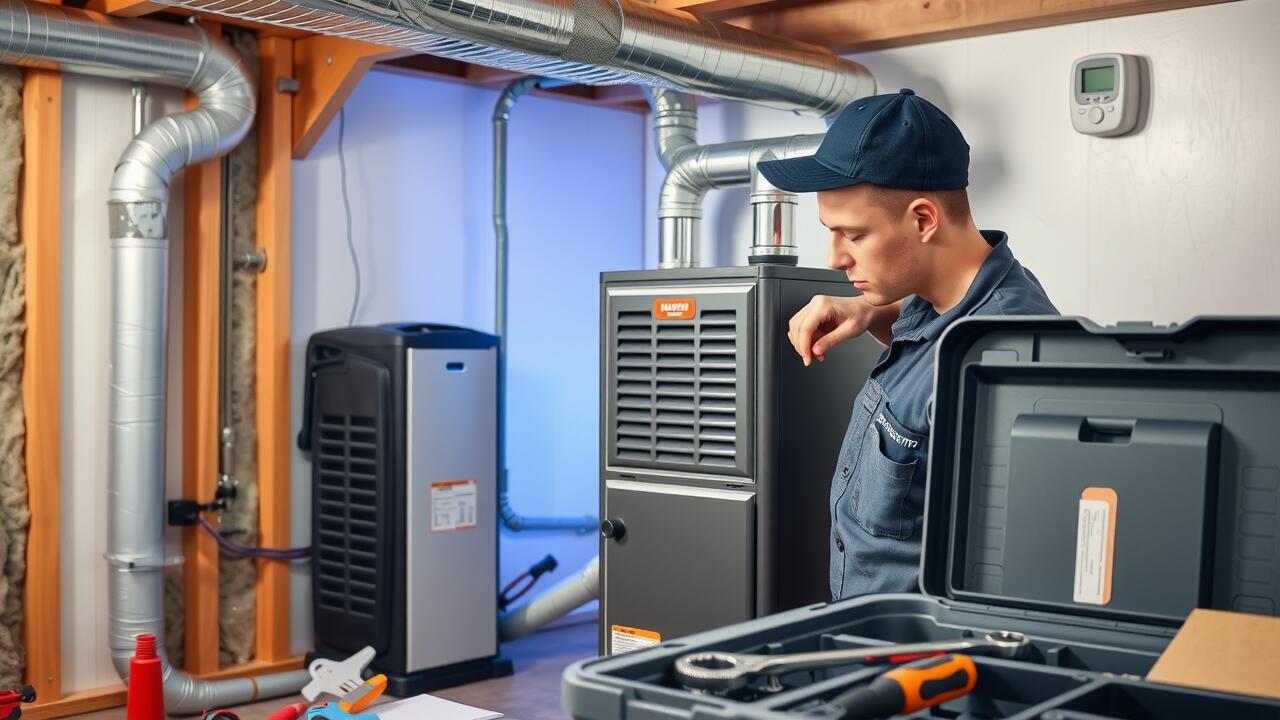
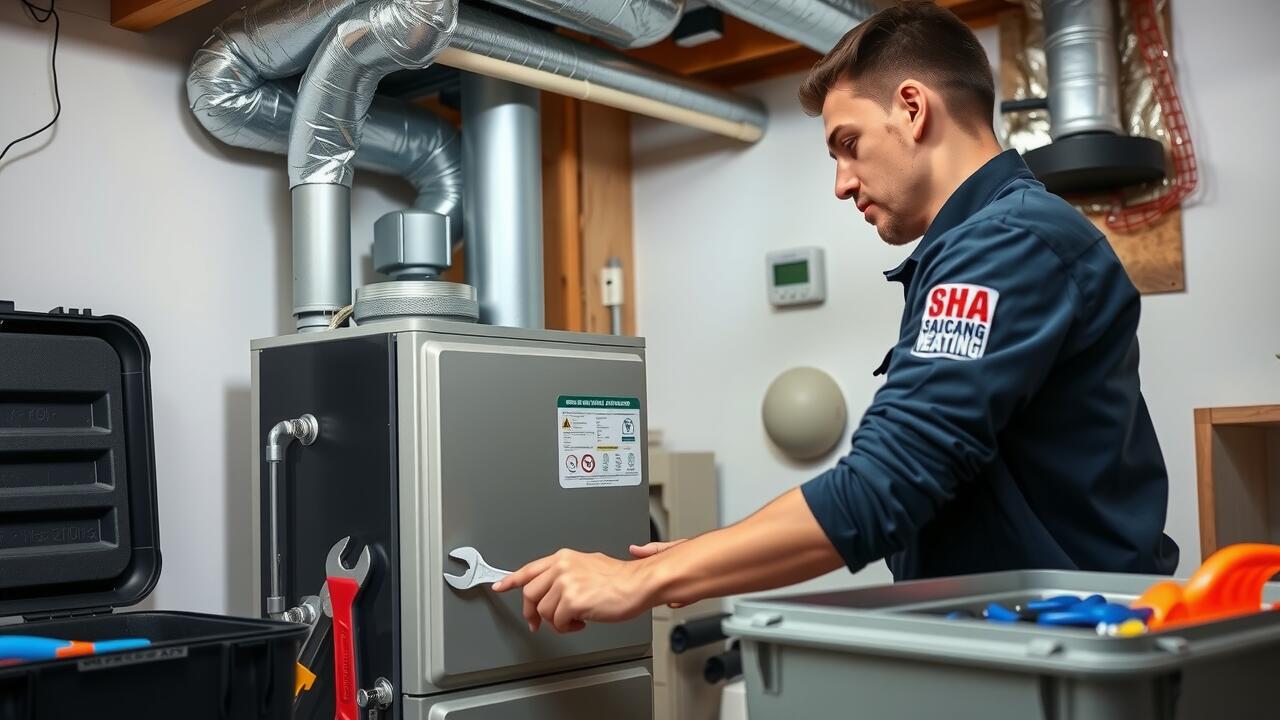
Seasonal considerations play a crucial role in the timing and efficiency of heating system repairs. Typically, the demand for heating system installation and repair spikes during the colder months. Homeowners often scramble to address issues as temperatures drop, leading to longer waits for service and repairs. Technicians can become overwhelmed with requests, which affects how quickly they can attend to each unit.
During milder seasons, the demand for heating services decreases significantly. This can result in shorter wait times for repairs and greater availability of service technicians. Scheduling maintenance checks and updates in these off-peak months not only ensures faster service but also helps prevent larger issues from developing when heating systems are under heavy use. Being proactive during warmer weather can enhance the overall reliability and longevity of heating systems.
Peak Times for Heating Repairs
Peak times for heating repairs often align with the onset of colder weather. As temperatures drop, homeowners realize their heating systems may not be operating efficiently, leading to a surge in repair requests. This typically happens late fall and early winter when demand spikes. Technicians experience elevated workloads during these months, which can extend the time it takes to schedule a repair.
The high volume of appointments can lead to delays in service. Many companies focus on emergencies first, which can push regular maintenance and thorough inspections further down their priority list. Homeowners should consider planning ahead to avoid extended wait times for heating system installation and repair. Being proactive in addressing potential issues can result in quicker resolutions and a more comfortable living environment when temperatures plummet.
Parts Availability
The availability of parts plays a crucial role in determining how long it takes to fix a heating system. Heating systems can vary significantly in make and model, which can affect the accessibility of replacement components. Common parts such as thermostats, blower motors, and ignitors are often stocked by local repair technicians. However, specialized or older models may require ordering parts, which can extend the repair timeline.
Supply chain issues can also contribute to delays in obtaining necessary parts. Disruptions in manufacturing or distribution can hinder access to components, particularly during peak seasons when demand for heating system installation and repair increases. Professionals may recommend assessing your unit’s condition regularly to anticipate any potential issues with parts availability. Being proactive can lead to quicker resolution times when repairs are necessary.
Impact on Repair Duration
The availability of parts plays a crucial role in determining how long a heating system repair will take. When specific components are out of stock or need to be ordered from suppliers, repair timelines can extend significantly. Technicians may opt for alternative solutions or temporarily bypass certain issues, but this can lead to further complications down the line. Ensuring that common parts are accessible can greatly reduce downtime for heating system installation and repair services.
Additionally, the efficiency of the technician and their familiarity with the heating system also impacts repair duration. Experienced professionals tend to diagnose problems more quickly and are more adept at finding effective solutions. A well-documented history of maintenance can aid in speeding up the diagnosis process. Overall, a combination of parts availability and technician expertise plays a pivotal role in how swiftly a heating system can be restored to optimal working condition.
Preventative Maintenance
Regular preventative maintenance plays a crucial role in ensuring the longevity and efficiency of a heating system. Homeowners should schedule routine inspections and servicing at least once a year. This proactive approach allows technicians to identify potential issues before they escalate into more severe problems. Addressing small repairs early on can save homeowners both time and money in the long run.
A well-maintained heating system also aids in reducing the time required for repairs when issues do arise. Technicians are often able to diagnose and address problems more quickly when they have a clear understanding of the system's history. Keeping records of past Heating System Installation and Repair work ensures that any recurring issues are documented and can be handled efficiently, minimizing downtime during critical heating seasons.
Reducing Future Repair Times
Regular preventative maintenance is essential for minimizing future repair times on your heating system. Scheduling routine inspections can help identify minor issues before they escalate into major problems. Simple tasks like cleaning or replacing filters, checking the thermostat, and ensuring proper ventilation contribute to the overall efficiency of your heating system. When a technician is familiar with your system through regular maintenance visits, they can diagnose and address issues more quickly.
Investing in high-quality components during heating system installation and repair also plays a critical role in reducing repair times later on. Reliable parts tend to have longer lifespans and perform consistently, which ultimately translates to fewer breakdowns. Choosing professionals with experience in heating system installation and repair helps ensure that the system is set up correctly, reducing potential complications down the line and making any necessary future repairs more straightforward.
FAQS
How long does it typically take to repair a heating system?
The time it takes to repair a heating system can vary widely depending on the issue, with most repairs taking anywhere from 1 to 4 hours. However, more complex issues may require additional time.
What factors can affect the time needed for heating repairs?
Several factors can influence repair duration, including the nature of the problem, parts availability, technician experience, and seasonal demand for heating repairs.
Are heating repairs faster during off-peak seasons?
Yes, repairs are often completed more quickly during off-peak seasons when demand is lower. Technicians may have more availability, which can speed up the repair process.
How does parts availability impact the duration of heating system repairs?
If replacement parts are readily available, repairs can be completed more quickly. However, if parts need to be ordered or are out of stock, it can significantly extend the repair time.
Can regular maintenance help reduce heating system repair time?
Absolutely! Regular preventative maintenance can help identify potential issues before they become serious problems, leading to quicker repairs and minimized downtime when issues arise.